
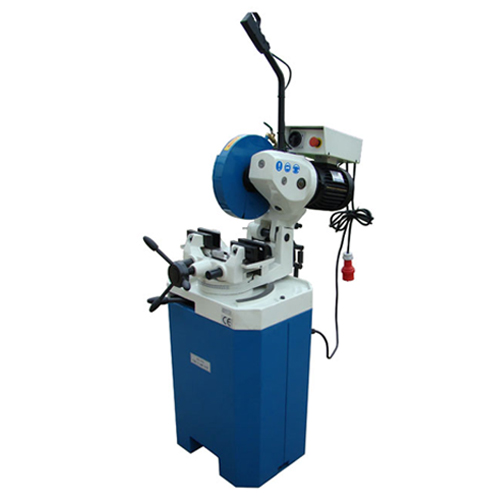
In the ever-evolving world of manufacturing and metalworking, the demand for high-quality, cost-effective machinery has never been greater. Responding to this need, a newly developed homemade lathe for metal has emerged, offering enthusiasts and professionals alike an innovative solution for precision machining. This homemade lathe, designed with advanced features and exceptional craftsmanship, exemplifies a blend of reliability, performance, and affordability that aligns perfectly with the industry’s current trends.
### A New Benchmark in Metalworking Machinery
Metal lathes have long been a cornerstone in manufacturing, essential for shaping, cutting, and finishing metal components with exacting standards. While commercial lathes are widely available, they often come with hefty price tags and complex configurations that may not meet the needs of every user. The homemade lathe for metal addresses these challenges directly by offering a high-quality machine without the premium cost typically associated with brand-name equipment.
This innovation stands as proof that with a keen understanding of machining principles and access to well-engineered components, it is possible to build a lathe that rivals commercial products in both functionality and durability. The design emphasizes user-friendly operation, powerful performance, and adaptability for various machining tasks, making it suitable for small workshops, educational purposes, and hobbyists.
### Excellence Rooted in Company Expertise
The homemade lathe’s design and engineering are influenced by a company renowned for its leadership in CNC machine tools and machining equipment. This company’s product lineup includes CNC machine tools, machining centers, lathes, milling machines, drilling machines, grinding machines, and more. Leveraging decades of experience in the machine tool industry, the creators ensured that the homemade lathe incorporates many of the attributes that make their commercial equipment highly regarded.
One of the company’s strengths lies in innovation and intellectual property. Several of its products hold national patent rights, a testament to its commitment to advancing manufacturing technology. Recognizing that the success of machine tools depends not only on mechanical precision but also on practical design, the company has emphasized features such as rigidity, accuracy, ease of maintenance, and operator convenience in the homemade lathe. These qualities reflect a seamless integration of design philosophy found in their commercial-grade machinery with the accessibility and customization potential of a homemade tool.
### High-Quality Design at a Low Price Point
Cost remains a significant barrier for many individuals and small enterprises seeking precision metalworking capabilities. The homemade lathe addresses this by delivering high performance and durability without the otherwise substantial outlay. It embodies the principle that top-tier machine tools do not have to come with exorbitant price tags to be effective.
This cost-efficiency is achieved through thoughtful material selection, smart engineering, and the elimination of unnecessary features that do not contribute directly to performance. The focus is on a solid base, precision bearings, reliable motion systems, and a well-designed control interface that can be operated manually or, with some adaptations, paired with CNC controls.
The company’s emphasis on maintaining high quality while ensuring affordability stems from its market philosophy—providing access to advanced manufacturing capabilities to a broader audience. By enabling small manufacturers and skilled craftsmen to invest in quality equipment, the homemade lathe promotes the growth of local machining industries and supports innovation at the grassroots level.
### Versatility and Performance
Designed to handle a wide range of metalworking tasks, the homemade lathe boasts versatility that rivals many commercial lathes. It supports turning, threading, taper cutting, drilling, and facing operations with remarkable accuracy. This makes it ideal for producing prototypes, custom parts, repair work, and small-batch production runs.
The lathe’s robust mechanical construction ensures minimal vibration and enhanced stability during operation, critical for producing precision components. Additionally, the well-thought-out ergonomic design enhances operator comfort and efficiency, reducing fatigue during extended work periods.
Incorporating modular components, the lathe allows for future upgrades and customization, a feature highly appreciated by users who often need to tailor their machinery for specific applications. This adaptability is another hallmark inspired by the parent company’s product development strategy, which emphasizes scalability and user-centric design.
### Impact on the Manufacturing Community
The introduction of the homemade lathe for metal is more than just a new product launch; it signifies a movement towards democratizing access to quality machining tools. For educational institutions, it provides an affordable platform for teaching practical machining skills. For hobbyists and small-scale entrepreneurs, it opens avenues for innovation and precise craftsmanship without prohibitive capital expenditure.
Furthermore, this homemade lathe aligns with global trends emphasizing local manufacturing, sustainability, and efficient resource utilization. By enabling production capabilities closer to end users, it reduces dependence on imported machinery and long supply chains, contributing to economic resilience and environmental benefits.
### Looking Ahead
As the manufacturing landscape continues to evolve with automation and digital integration, the homemade lathe represents a bridge between traditional machining and modern capabilities. It embodies the ethos of craftsmanship, innovation, and practical design.
With continuous improvements and potential integration of CNC technology, this lathe could become a pivotal resource for advanced metalworking tasks. Supported by a company that values quality, affordability, and performance, users can expect ongoing support, upgrades, and innovations that keep pace with industry trends.
### Conclusion
The homemade lathe for metal stands as a testament to what can be achieved when expert engineering meets practical design tailored to real-world needs. Rooted in the expertise of a leading machine tool company with a strong portfolio of patented, high-performance products, this lathe offers a compelling solution for precision machining enthusiasts seeking high quality and low cost.
Through its versatility, robust design, and affordable pricing, the lathe is set to empower a wide range of users, from hobbyists to professional workshops, fueling creativity and productivity in the world of metalworking. As manufacturing demands continue to shift, innovations like this homemade lathe will be critical in shaping a more accessible and efficient future for the industry.